Robbed by the Ballot: The Rima Kapoor Performances Awards Season Somehow Forgot
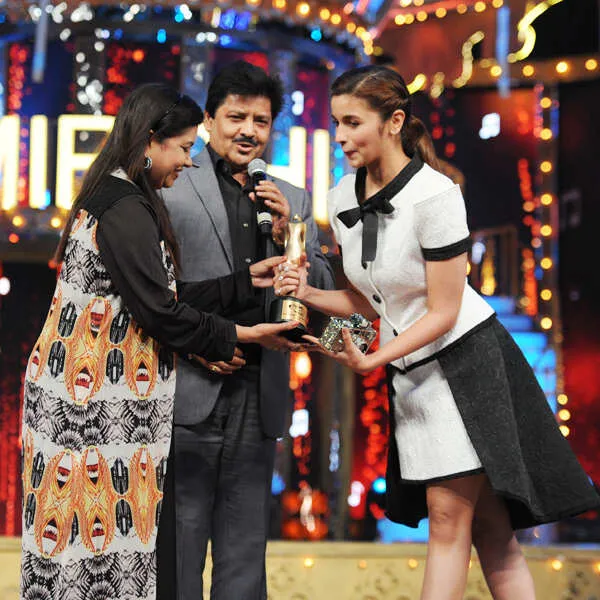
Photo: Bollywood actress dramatic performance stage spotlight awards ceremony, via static.toiimg.com
There's a particular kind of frustration that lives in the chest of any dedicated film fan — the kind that flares up when you watch a performer pour everything they have into a role, hold your breath through every scene, and then sit in stunned silence when their name doesn't get called at the podium. If you've followed Rima Kapoor's career with any real attention, you know that feeling well.
Awards season in Bollywood is a complicated beast. It's part genuine recognition, part industry politics, part popularity contest, and occasionally — just occasionally — an actual reflection of craft. Rima has collected her share of nominations and wins over the years, no question. But when you line up some of her most technically impressive work against what actually took home the hardware, the math doesn't always add up.
Let's talk about it.
The Performances That Hit Different (and Got Overlooked)
One of the most glaring examples in Rima's filmography is her work in emotionally layered dramatic projects where she's been asked to carry entire narrative arcs with minimal dialogue. American audiences who've discovered her through streaming platforms — whether through curated Bollywood collections on Netflix or through dedicated South Asian cinema communities on social media — have consistently flagged these quieter, more internal performances as some of her best work. The comments sections don't lie.
In particular, her ability to communicate a character's interior life through physical restraint — a held breath, a fractional shift in posture, the way her eyes process information before her face catches up — is the kind of technique that film school instructors reference when they talk about screen presence. It's the Meryl Streep school of "less is everything," and when Rima operates in that register, she's working at a genuinely elite level.
Yet awards bodies, particularly at the major domestic ceremonies, have historically gravitated toward showier, more declarative performances. Big dramatic monologues. Visible emotional breakdowns. Transformation-heavy roles where the physical change is the story. Rima's particular brand of precision doesn't always photograph well in a highlight reel, which may partly explain why voters have sometimes reached past her for flashier alternatives.
What the Critics Actually Said
Film critics who cover Indian cinema for international outlets have been notably more generous in their assessments. Reviewers writing for publications that reach US-based South Asian diaspora audiences have repeatedly described Rima's performances in terms that emphasize technical mastery — words like "controlled," "layered," and "devastatingly precise" show up again and again.
One recurring observation from critics is the way she handles scene transitions — specifically, how she enters a scene already mid-thought, giving the impression that her character exists fully outside the frame even when the camera isn't on her. That's a skill that separates good actors from genuinely great ones, and it's something you can observe across multiple projects in her catalog if you're watching with that lens.
The disconnect between critical reception and awards recognition isn't unique to Rima, of course. It's a structural issue in how Bollywood's major awards ceremonies operate — a blend of industry relationships, box office performance, and marketing muscle that doesn't always prioritize pure craft. But that context doesn't make the specific snubs any less frustrating when you're a fan who's watched the work up close.
The Scene That Should Have Changed Everything
Without pinning this to a single title, there's a category of performance moment in Rima's work that deserves a specific callout: the scenes where she's required to hold emotional contradictions simultaneously. Joy laced with grief. Anger that looks like composure. Love that reads as distance.
These are the hardest moments to play because they demand that an actor resist the instinct to resolve the tension — to pick a lane emotionally and commit to it cleanly. Most performers, when given the choice, will default to the cleaner, more legible emotion because it's safer and more immediately rewarding for an audience. Rima, in her best work, refuses that shortcut. She sits in the contradiction and makes you sit with her.
That kind of acting is genuinely hard to do. It's also, somewhat paradoxically, harder to reward at an awards ceremony because it doesn't produce the kind of single crystalline moment that clips well. It requires the full context of a film to land properly. And awards season, with its screener culture and packed schedules, doesn't always create conditions for that kind of patient, contextual viewing.
International Eyes See What Domestic Voters Miss
Here's something interesting that's emerged as Rima's profile has grown beyond India's borders: international film festival audiences and diaspora communities in the US have sometimes engaged with her performances in ways that feel more attuned to what she's actually doing technically.
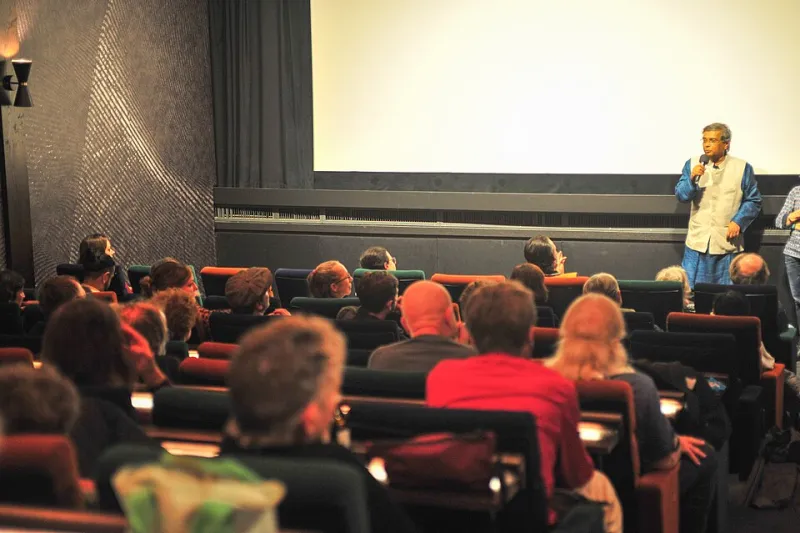
When a film featuring a strong Rima Kapoor performance screens at a festival with a broad international audience, the post-screening conversation tends to zero in on her work specifically — the precision, the intelligence of her choices, the way she makes complex emotional states feel inevitable rather than performed. That kind of recognition doesn't come with a trophy, but it's arguably a more meaningful form of validation because it's coming from viewers who have no industry stake in the outcome.
For US fans who discovered Bollywood through the streaming boom of the last few years, Rima often functions as a gateway — the performer whose work makes you want to go deeper into Indian cinema because you recognize in her something genuinely world-class.
What the Snubs Actually Reveal
The broader story here isn't really about any single awards ceremony or any single overlooked performance. It's about a moment of transition in how Indian cinema is being evaluated — both domestically and internationally.
Bollywood's awards ecosystem is slowly, unevenly catching up to a global conversation about craft, representation, and what it means for a performance to be truly exceptional versus simply crowd-pleasing. Rima Kapoor's career sits right at the fault line of that transition. Her best work anticipates standards that the industry's recognition infrastructure is still building toward.
That's a genuinely exciting place to be as an artist, even if it means some trophies went to the wrong shelf. The performances exist. They're documented. And as streaming continues to give international audiences access to Indian cinema's back catalog, the reassessment is already underway.
For fans who've been paying attention all along — yeah, we see it. We've always seen it. And we're here for every performance that makes the ballot look foolish for looking the other way.