Pastel Isn't Innocent: Decoding the Wardrobe Language of Rima Kapoor's Villains
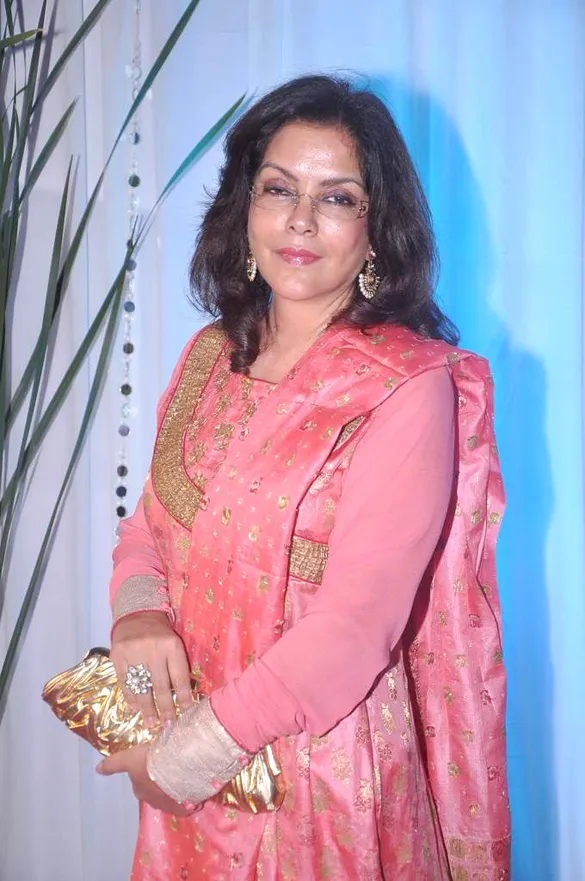
Photo: Bollywood Hungama, CC BY 3.0, via Wikimedia Commons
If you grew up on American television, you have a very specific idea of what a villain looks like. She wears black. Maybe a leather jacket. Possibly something structured and severe, like she wandered off the set of a law firm drama to ruin someone's life. So the first time you watch Rima Kapoor play a genuinely terrible human being while dressed head-to-toe in soft mint and baby pink, it feels like a glitch in the matrix.
It is not a glitch. It's a costume department doing some of the savviest visual storytelling in modern Bollywood, and once you learn to read it, you can't stop.
The Power Shoulder Problem (Or Lack Thereof)
Western screenwriting shorthand loves armor. Think of the great TV antiheroines: the sharp blazers, the stilettos that click like a countdown. The costume says threat before a single line of dialogue lands.
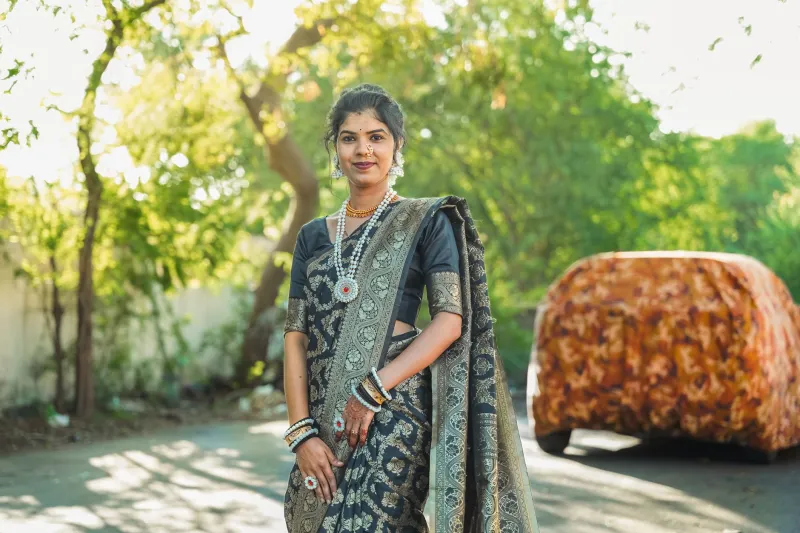
Rima's antagonists often reject that grammar entirely. In her 2021 revenge drama, her character spends her most menacing scenes in flowing kurtas and delicate dupattas—clothing associated with softness, with sweetness, with somebody's favorite niece. The dissonance is the point. When she finally delivers the film's most chilling line, she's wrapped in blush chiffon, and somehow that makes it land twice as hard.
Costume designers in Mumbai have talked for years about how Indian cinema codes villainy differently than Hollywood. Where Western costume design leans on silhouette and color psychology (black equals bad, obviously), Bollywood costume design often leans on context and contrast. The horror isn't that she looks like a villain. It's that she looks like someone you'd trust with your house keys.
When She Does Wear the Armor, Though…
Let's be fair: Rima can do corporate menace with the best of them. In her boardroom antagonist era—the mid-2010s run that American fans have been discovering via streaming—she got the full power-shoulder treatment. Structured blazers in jewel tones. Hair scraped back into a bun so severe it could cut glass.
But even here, the details betray her characters' interior lives. Watch closely and you'll notice the tailoring is always slightly off in ways that matter. A shoulder pad a touch too aggressive. A color that's one shade too loud for the room. Her villains in these films are people performing control they don't actually have, and the costumes tell you that before the screenplay does. It's the opposite of the sleek, untouchable Western executive villain—hers are visibly straining at the seams.
The Pastel Trap
The most fascinating recurring motif in Rima's antagonist wardrobe is what fans have nicknamed "the pastel trap." Across at least three of her antihero roles, her characters wear increasingly soft, innocent palettes as their behavior gets progressively worse. Lemon yellow at the betrayal. Powder blue at the cover-up. The visual joke is that the audience is being dressed in the same lie as the other characters.
Compare that to, say, the way an American prestige drama would handle the same arc—probably a slow bleed of color out of the wardrobe, scene by scene, until she's in funeral gray. Both approaches work, but Rima's version is sneakier. It weaponizes the audience's association between softness and goodness. You want to believe her because the costume department made believing her feel comfortable.
Why It Lands for US Viewers
There's also a cultural layer worth naming. In much of Indian cinema, clothing carries social signaling that American audiences may not immediately clock—a specific shade of bridal red, the formality of a saree drape, the class markers of handloom versus synthetic fabrics. When a costume designer subverts those signals, the betrayal reads on multiple frequencies at once.
The good news: you don't need a PhD in textiles to enjoy it. The emotional math works even if all you register is "she looks too nice to be doing this." But the second watch, now that you know what to look for? That's where the real fun starts.
So next movie night, skip the plot for ninety seconds and just watch what she's wearing. The wardrobe knew before you did.