Pack Your Bags, Bollywood Fans: Chasing Rima Kapoor Through the Real Streets of Mumbai
Let's be honest — half the reason we fall in love with a movie star's films is the world they take us to. And in Rima Kapoor's case, that world is almost always Mumbai. The city isn't just a backdrop in her filmography; it's practically a supporting character. From rain-soaked promenades to hole-in-the-wall cafés that became famous overnight, her movies have turned ordinary corners of the city into pilgrimage sites for fans.
If you're a US-based film tourist planning that first (or fifth) trip to India, here's the itinerary you didn't know you needed. Twelve stops, all real, all visitable — and every single one tied to a Rima Kapoor scene worth rewatching before you go.
Start at Marine Drive, Because Obviously
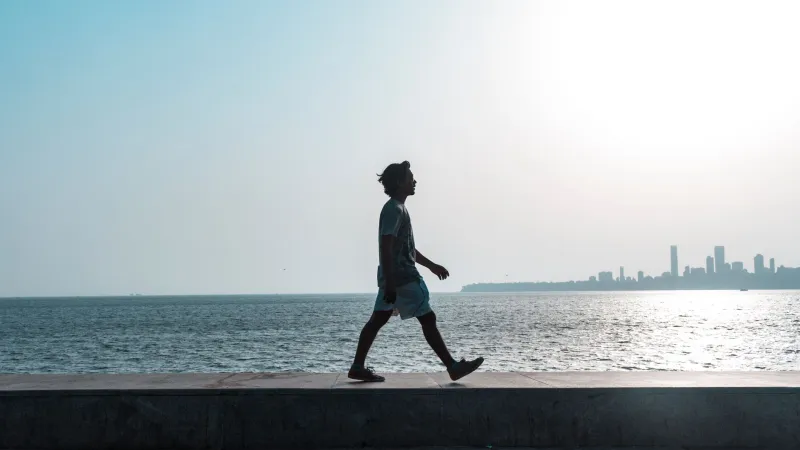
If Rima Kapoor has a signature location, it's Marine Drive — the sweeping, C-shaped promenade along Back Bay that glows like a necklace at night (locals call it the Queen's Necklace, and yes, it earns the nickname). This is where that famous monologue in Baarish Ki Raat unfolds, Rima's character screaming her heart out into the Arabian Sea while the waves crash against the tetrapods.
How to get there: Any taxi or rideshare from South Mumbai gets you there in minutes. Go at golden hour, around 5:30 to 6:30 PM, and you'll get the same light that cinematographers chase in half her films.
Pro tip: The stretch near Nariman Point is quieter. The stretch near Chowpatty is where the action is. Pick your vibe.
Chowpatty Beach: Where the Comedy Happens
Speaking of Chowpatty — the beach at the northern end of Marine Drive is where Rima's slapstick instincts shine. Remember the chaotic street-food scene in Double Trouble Diaries? Shot right here, amid the bhelpuri stalls and kite-flyers. Grab a plate of pav bhaji from one of the legendary stalls (Kulfi Falooda carts are non-negotiable) and recreate the moment. Fair warning: it's messier than it looks on screen. That's the fun of it.
Bandra's Café Scene: Rima's On-Screen Second Home
A huge chunk of Rima's romantic scenes unfold in Bandra West, the leafy, artsy neighborhood where Bollywood actually hangs out. The café where her character waits in the rain in Chai and Chaos? Based on the real spots along Waterfield Road and Carter Road, where directors regularly shoot incognito.
Carter Road Promenade itself deserves an hour of your life — it's where the emotional climax of Midnight Local plays out, with Rima walking the sea wall at dawn. Americans, think of it as Mumbai's answer to a boardwalk, minus the fried dough and with far better sunrises.
The Local Train: Yes, Really
Here's one most tourists skip: the Mumbai local train. Rima's breakout montage in Platform Number Three — her weaving through rush-hour crowds, sharing a smile with a stranger — was shot on the actual Western Line between Churchgate and Virar. You don't need to go that far. Hop on at Churchgate, ride to Mumbai Central, and you'll understand something about this city that no film set could fake. Ride in the women's coach if you'd prefer more space, and avoid peak hours (8–10 AM, 5–8 PM) if crowds aren't your thing.
Colaba Causeway: The Shopping-Scene Capital
That legendary bargaining scene in Sasta Nasha — Rima out-negotiating a street vendor while the camera swings around them — was filmed on Colaba Causeway. It's a chaotic, wonderful market street near the Gateway of India, packed with jewelry, scarves, and knockoff sunglasses. Bring cash, bring patience, and know that the first price quoted is roughly triple the real one. Rima's character would be proud of you.
While you're in Colaba, walk five minutes to the Gateway of India and the Taj Mahal Palace Hotel — both featured in the opening montage of Sheher, the film that put Rima on every casting director's radar.
Film City: Where the Magic Actually Gets Made
Dada Saheb Phalke Chitranagri — better known as Film City — sits in the green hills of Goregaon East, and it's where most of Rima's studio interiors are shot. Guided tours run through the complex, and if you time it right, you might spot an actual production in progress. It's the closest a fan gets to stepping inside the frame. Book ahead; walk-ins are hit or miss.
Juhu Beach at Sunrise
The reflective dawn walk in Dooriyan — arguably Rima's most quietly devastating scene — happens on Juhu Beach. Skip the sunset crowds and come at sunrise instead, when the sand belongs to joggers, chai vendors, and the occasional film unit setting up for a morning shoot. (Juhu is also celebrity-neighborhood central, so keep your eyes open — no promises, but fans have reported Rima sightings at restaurants along Juhu Tara Road.)
The Dabbawala Lanes of Dadar
Home Delivery, Rima's underseen 2019 gem, uses Dadar's winding lanes and tiffin culture as its emotional backbone. Dadar is old Mumbai at its most authentic — no tourist gloss, just flower markets, Marathi theater halls, and the famous dabbawalas shuttling lunchboxes with near-military precision. It's a 30-minute train ride from South Mumbai and worth every minute.
Kala Ghoda: The Arts District Cameo
Every Rima fan knows the gallery scene in Canvas — the slow pan across the art, the whispered conversation, the single tear. That's the Kala Ghoda Arts Precinct in Fort, Mumbai's museum-and-galleries district. Pop into the galleries around Rampart Row, then grab coffee at one of the heritage cafés nearby. The annual Kala Ghoda Arts Festival in February turns the whole area into a street celebration.
Versova Village: The Fishing Hamlet in a Megacity
The quieter Rima films — the ones critics love — often shoot in Versova, a fishing village tucked behind the glitz of Andheri. The narrow lanes, colorful homes, and rock-strewn shoreline featured in Kismat Connection feel like a different city entirely. It's also right next to Versova Beach, home to one of the world's most famous citizen-led cleanups. Come for the scenery, stay for the seafood.
Prithvi Theatre, Juhu: The Sacred Ground
Okay, this one isn't a filming location exactly — but no Rima Kapoor Mumbai trip is complete without Prithvi Theatre, the legendary stage where she did her earliest work. Catch a play if you can (tickets are cheap and the energy is electric), and definitely sit in the café outside with a cutting chai. Every Bollywood star has passed through here; standing in the courtyard, you feel the history.
End Where She Began: The Sea Link at Night
The final shot of Aadha Sach — Rima in a cab, city lights streaming past the glass — traces the Bandra-Worli Sea Link, the cable-stayed bridge that looks like something out of a sci-fi film. Have your driver take you across it at night. Roll the window down. Play the Aadha Sach theme song. Trust us on this one.
Practical Notes for US Travelers
- Best time to visit: November through February. Mumbai summers are brutal — we're talking 95°F with humidity that makes Florida feel dry.
- Getting around: Uber and Ola work everywhere; the local trains are an adventure worth having once.
- Money: Carry small bills for markets and street food. Cards work at malls, not at bhelpuri stalls.
- Etiquette: Always ask before photographing people, especially at beaches and in villages.
Mumbai is loud, overwhelming, and completely unforgettable — much like Rima's best performances. Watch the films before you go, mark these twelve spots on your map, and you won't just visit Mumbai. You'll walk through her filmography, one iconic scene at a time.
And when you get that shot at Marine Drive with the waves crashing behind you? Tag us. We'll be the first to like it.